Trezor.io/Start — Secure Onboarding for Trezor Hardware Wallet Users
Trezor.io/Start is the official onboarding portal used to initialize, verify, and secure a Trezor hardware wallet. It is designed for users who want complete ownership of their digital assets through a controlled and transparent setup process. Accessing Trezor.io/Start ensures that every step—device connection, firmware installation, wallet creation, and recovery setup—is performed using authentic tools provided by the manufacturer.
This page is not simply informational; it is a security checkpoint that protects users from counterfeit devices, unofficial software, and common setup mistakes that can compromise long-term asset safety.
Purpose of Trezor.io/Start
The primary role of Trezor.io/Start is to act as a verified entry point into the Trezor ecosystem. It ensures that users interact only with official software and follow best-practice security standards from the first connection.
Provided by Trezor, the platform supports both new users setting up a device for the first time and existing users restoring access to a wallet using a recovery seed.
Core Functions Available on Trezor.io/Start
Instead of relying on external guides or third-party downloads, Trezor.io/Start consolidates all critical setup actions in one secure flow:
- Device authenticity verification
- Official firmware installation or update
- New wallet creation
- Wallet recovery using an existing seed
- Security education and usage reminders
This approach minimizes user error and significantly reduces exposure to phishing or malware-based attacks.
Structured Setup Flow
The setup process on Trezor.io/Start is intentionally structured to promote accuracy and security.
Step 1: Direct Access
Users should manually enter Trezor.io/Start in the browser address bar to avoid misleading ads or imitation websites.
Step 2: Device Connection
The Trezor hardware wallet is connected using the original USB cable. The system confirms device detection before proceeding.
Step 3: Trezor Suite Installation
Users are guided to install Trezor Suite, the official application used for wallet management, transaction verification, and portfolio visibility.
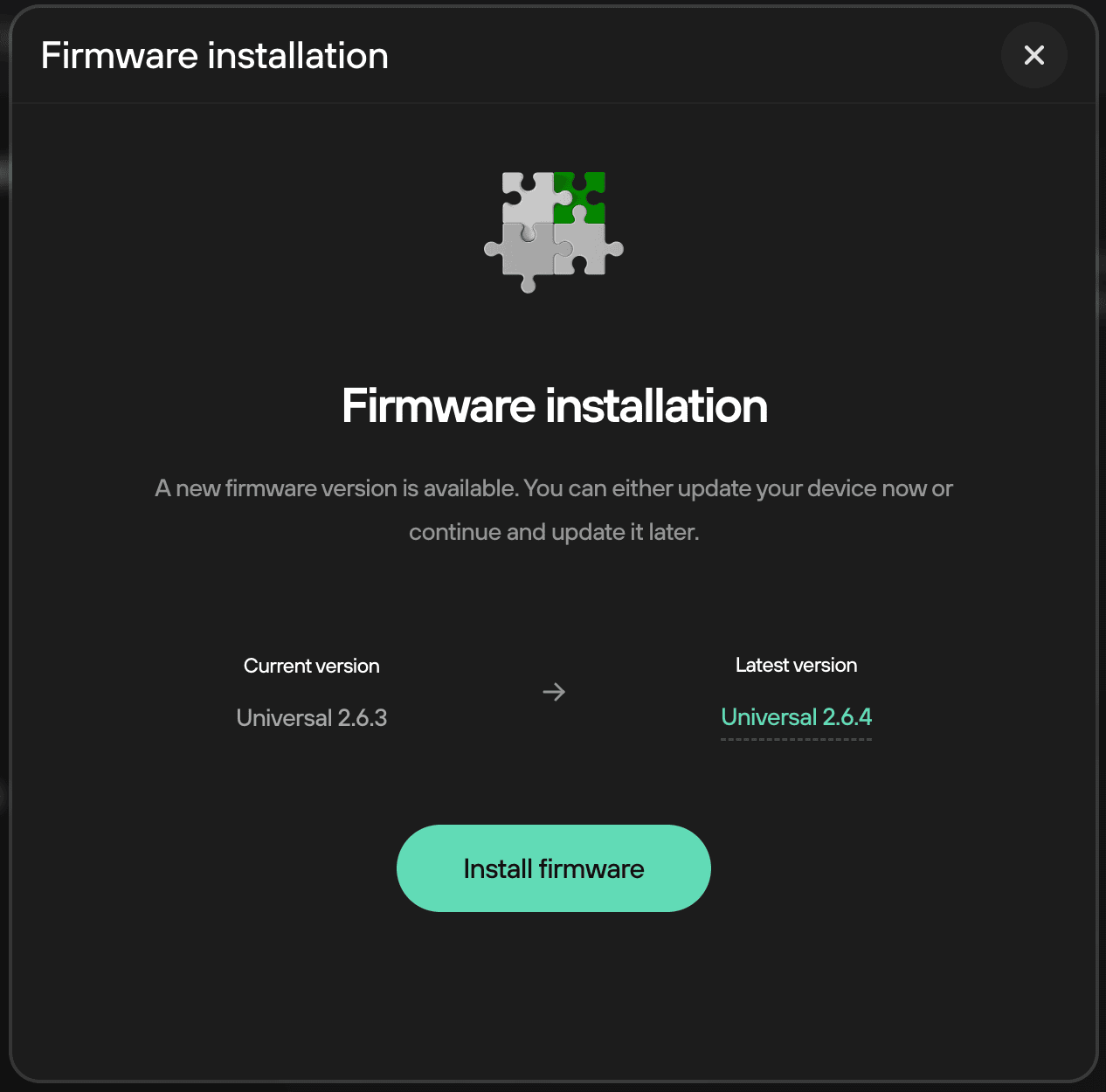
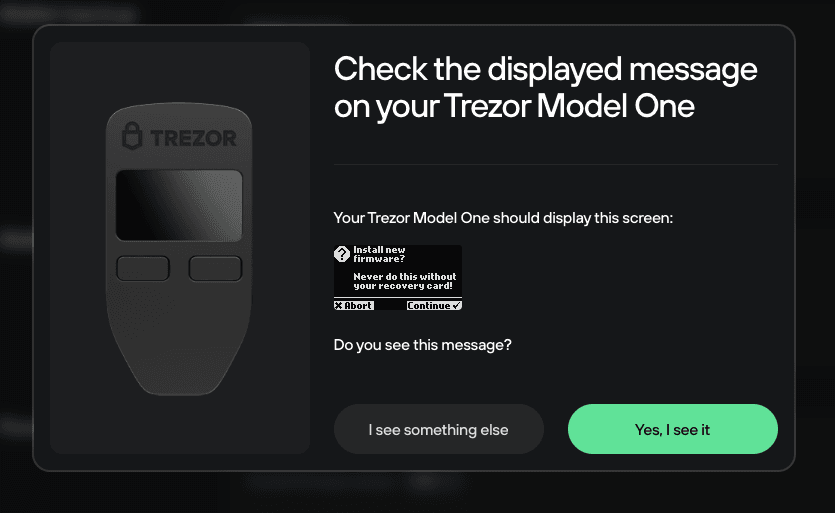
Step 4: Firmware Validation
If required, the latest firmware is installed directly through the official channel to ensure compatibility and security integrity.
Step 5: Wallet Initialization
Private keys are generated securely on the device itself. This offline process ensures sensitive data is never exposed to the internet.
Step 6: Recovery Seed Backup
A recovery seed is displayed on the device screen. Users must record and store it offline, as it is the only method for wallet recovery.
Step 7: PIN Configuration
A PIN is set on the device to protect against unauthorized physical access.
Security Model Emphasized by Trezor.io/Start
Trezor.io/Start reinforces a self-custody security model where responsibility remains with the user. Throughout the process, the platform highlights essential security principles:
- Recovery seeds should never be entered online
- Digital storage of sensitive data should be avoided
- Transactions must be verified on the device screen
- Only official Trezor software should be used
These principles form the foundation of secure long-term asset management.
Asset Management After Setup
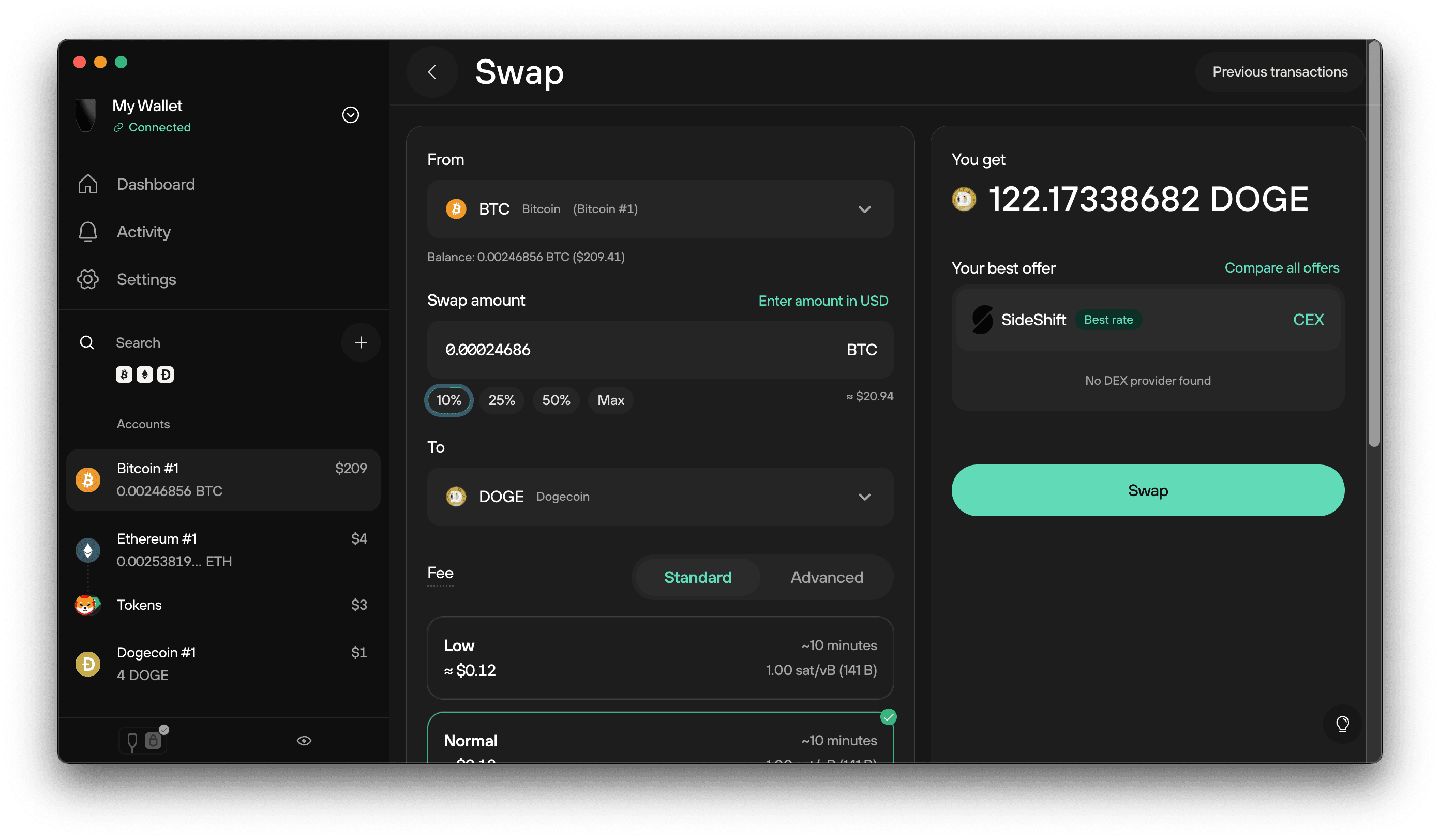
Once the setup via Trezor.io/Start is complete, users can manage supported cryptocurrencies through Trezor Suite. The wallet supports a broad range of assets across multiple networks while maintaining offline private key storage.
Commonly managed assets include:
- Bitcoin (BTC)
- Ethereum (ETH)
- Litecoin (LTC)
- ERC-20 tokens
- Other supported blockchain assets
All assets benefit from the same hardware-based security model.
Official Internal Navigation Within the Ecosystem
After completing setup, users should continue using official internal paths to maintain security consistency:
- Trezor.io/Start for initialization and recovery
- Trezor Suite download for daily wallet operations
- Trezor firmware update for device maintenance
- Trezor wallet recovery for restoring access
Remaining within the official ecosystem reduces exposure to misinformation and malicious tools.
Addressing Common Setup Challenges
If issues occur during setup on Trezor.io/Start, they are usually related to connectivity or system compatibility.
Typical resolutions include:
- Trying a different USB port or cable
- Restarting the Trezor Suite application
- Updating system drivers or operating system
- Reconnecting the device and restarting the setup flow
The guided process is designed to resolve issues without weakening security.
Frequently Asked Questions
What is Trezor.io/Start used for?
Trezor.io/Start is used to securely initialize or restore a Trezor hardware wallet using official tools.
Is Trezor.io/Start mandatory for setup?
Yes, it is the recommended and official method provided by Trezor.
Can I recover a wallet using Trezor.io/Start?
Yes, wallet recovery is supported using a valid recovery seed.
Are private keys stored online?
No, private keys are generated and stored only on the hardware device.
What if the device is lost or damaged?
Funds can be restored on a new device using the recovery seed created during setup.
Final Perspective
Trezor.io/Start is a purpose-built onboarding environment that prioritizes security, authenticity, and user control. Its structured design ensures that hardware wallets are configured correctly from the outset, protecting users from common threats associated with digital asset storage. By following the official setup flow and recommended practices, users establish a secure foundation for long-term cryptocurrency management with full ownership and transparency.
Disclaimer: This content is provided for informational purposes only and does not constitute financial, legal, or investment advice.